
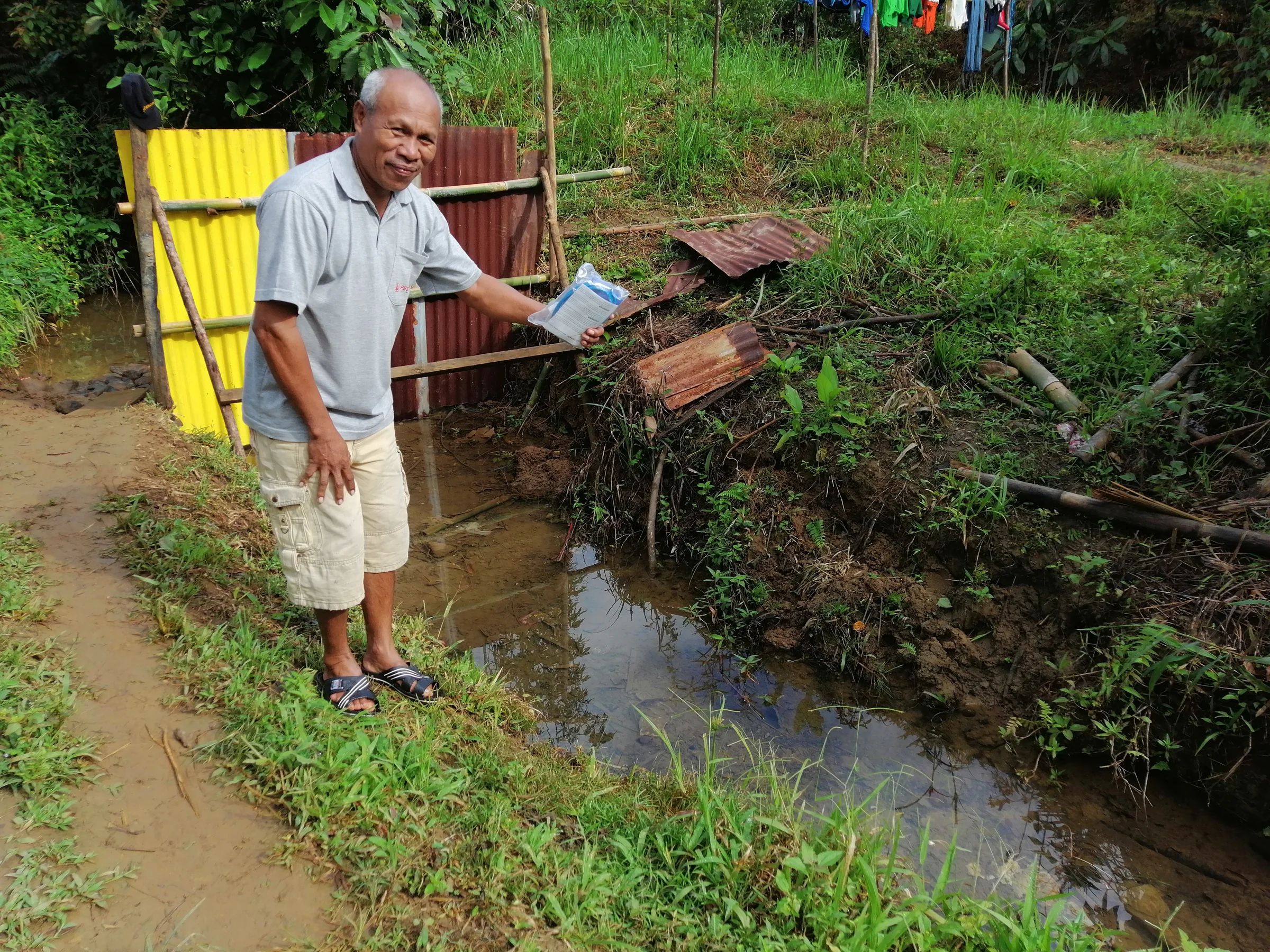
Living Water
Water filters for families in Indonesia without clean drinking water, and an opening to talk about the Living Water.
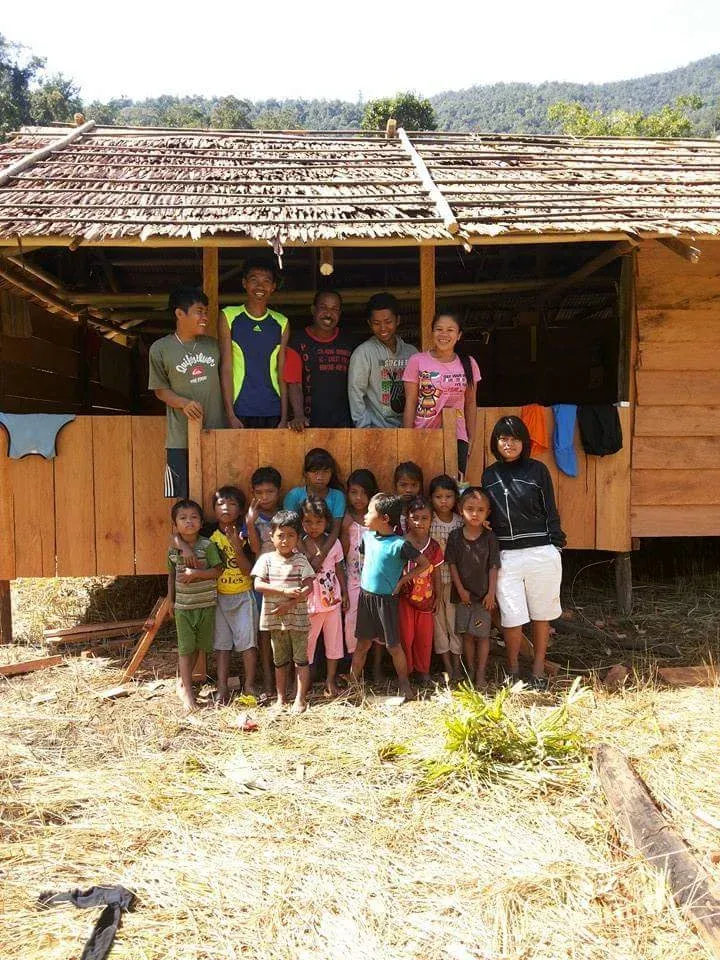
Hentje (pronounced "Heintje") comes from an area of Indonesia where old Dutch names are still in use. God called him as a missionary to the interior of Central Sulawesi, home of the predominantly animist Wana tribe. Many of them still live in primitive conditions, without schooling for their children.
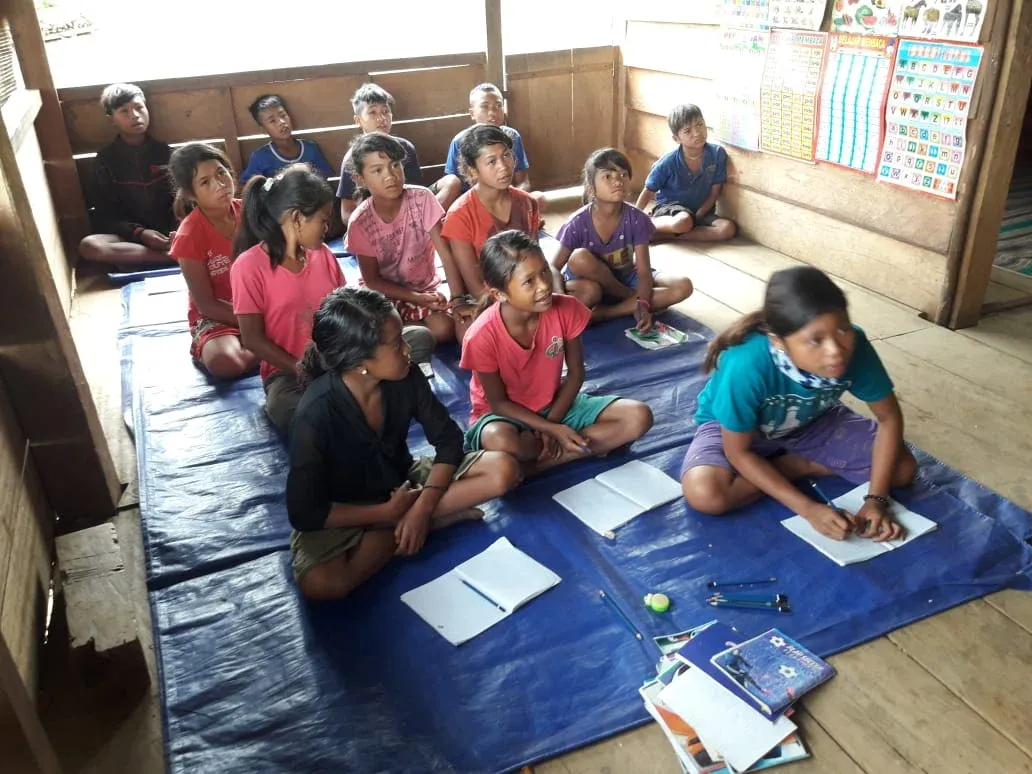
Hentje's team teaches the Wana children to read, write and do arithmetic. This opens the door to share the good news as well. In recent years more than 5,000 people have already come to faith in Jesus.
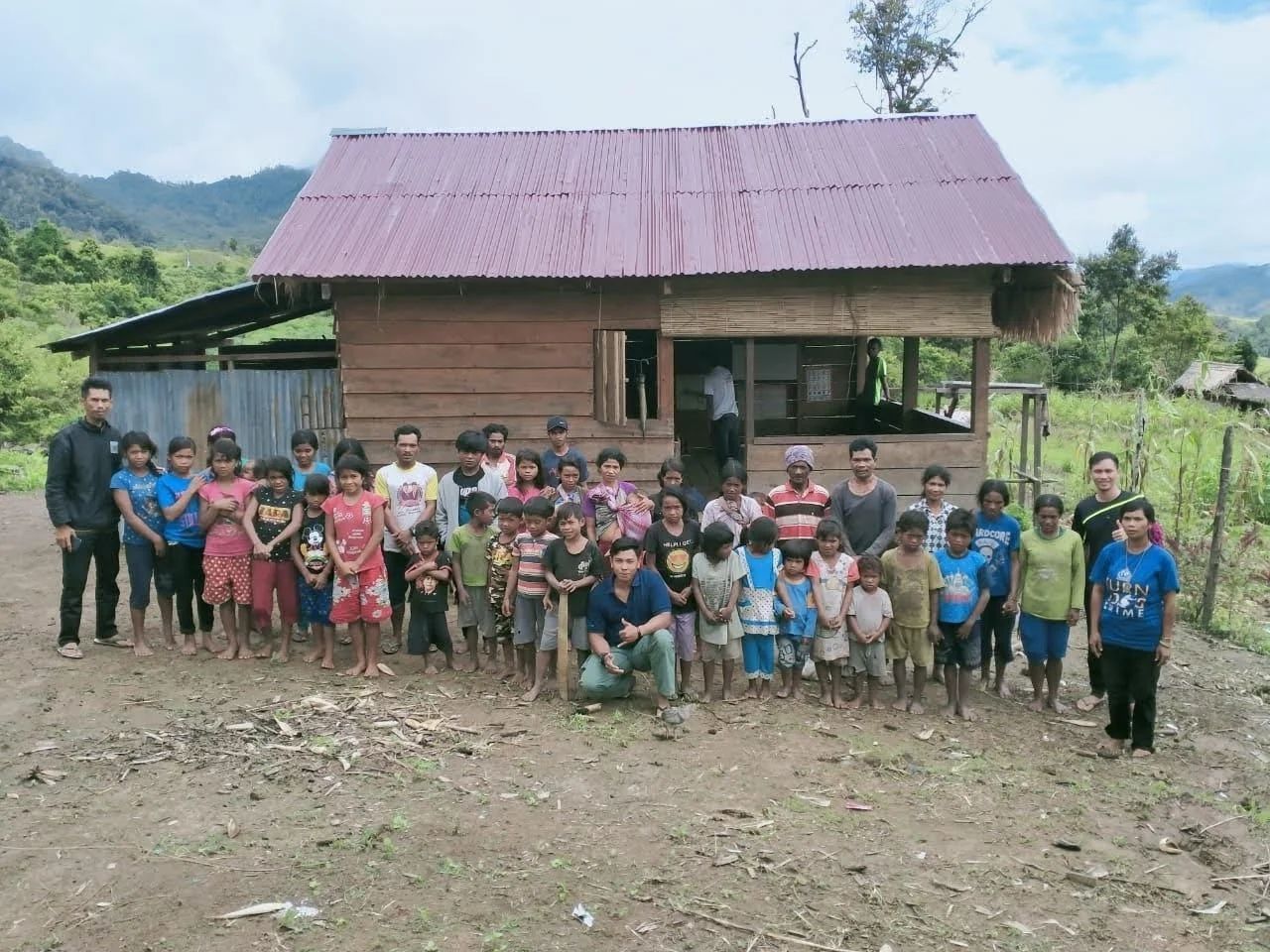
We are already seeing much fruit from our work, and we keep walking alongside the new believers to help them become mature followers of Jesus.
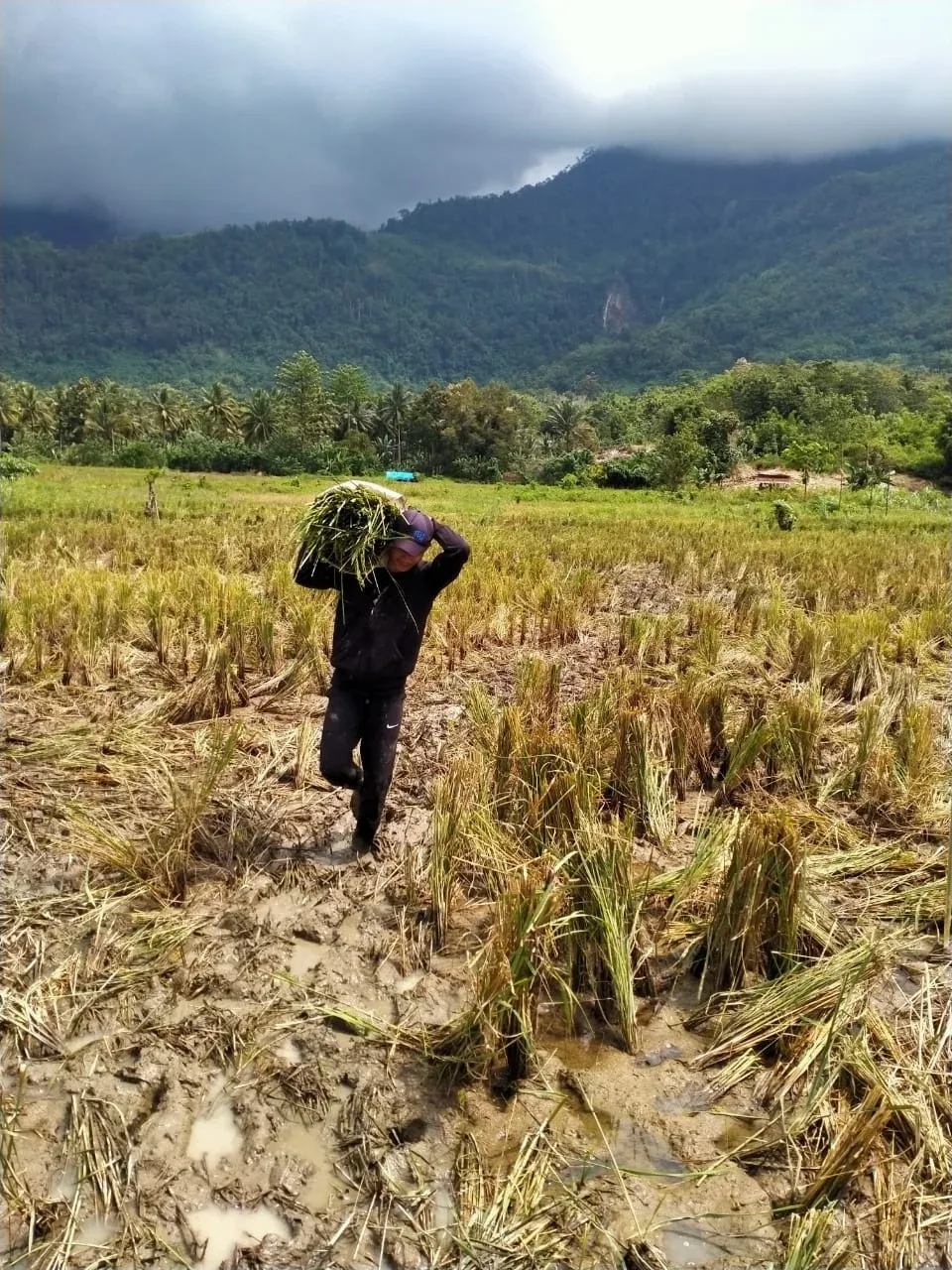
Cocoa, patchouli, coconuts and pepper are crops that grow very well on Sulawesi. The team helps the Wana people grow them and sell the harvest. This improves their economic situation and lets them develop further.
At the moment small-scale education projects are running at 7 remote locations. Each location has a number of staff. Together, more than 400 children learn to read, write and do arithmetic there every day, and they receive their meals there.
At another 7 locations the projects and planted churches now run largely independently, though still under our supervision.
For a sustainable future for the Wana tribe, we invest in the development of the Wana themselves. We train trainers and 'disciple makers', and we focus on empowering local leaders and pastors. In the near future we hope to help more Wana children train as teachers, nurses or midwives.
We expect the work, our local staff and the Wana to keep developing, as we keep investing in them through (biblical) teaching and training. The goal in everything is to empower the Wana themselves, so that the work becomes a work by and for themselves.
This project is carried out in partnership with Stichting Pharus. Thanks to this support the work can be expanded, to reach the Wana tribe with the gospel and to help them in a sustainable way in their livelihood and development. Access to basic necessities, opportunities for their future and the Word of God save lives and fundamentally change communities.
Water filters for families in Indonesia without clean drinking water, and an opening to talk about the Living Water.
Support Indonesian missionaries in their living costs, so they can bring the gospel where foreign missionaries cannot go.